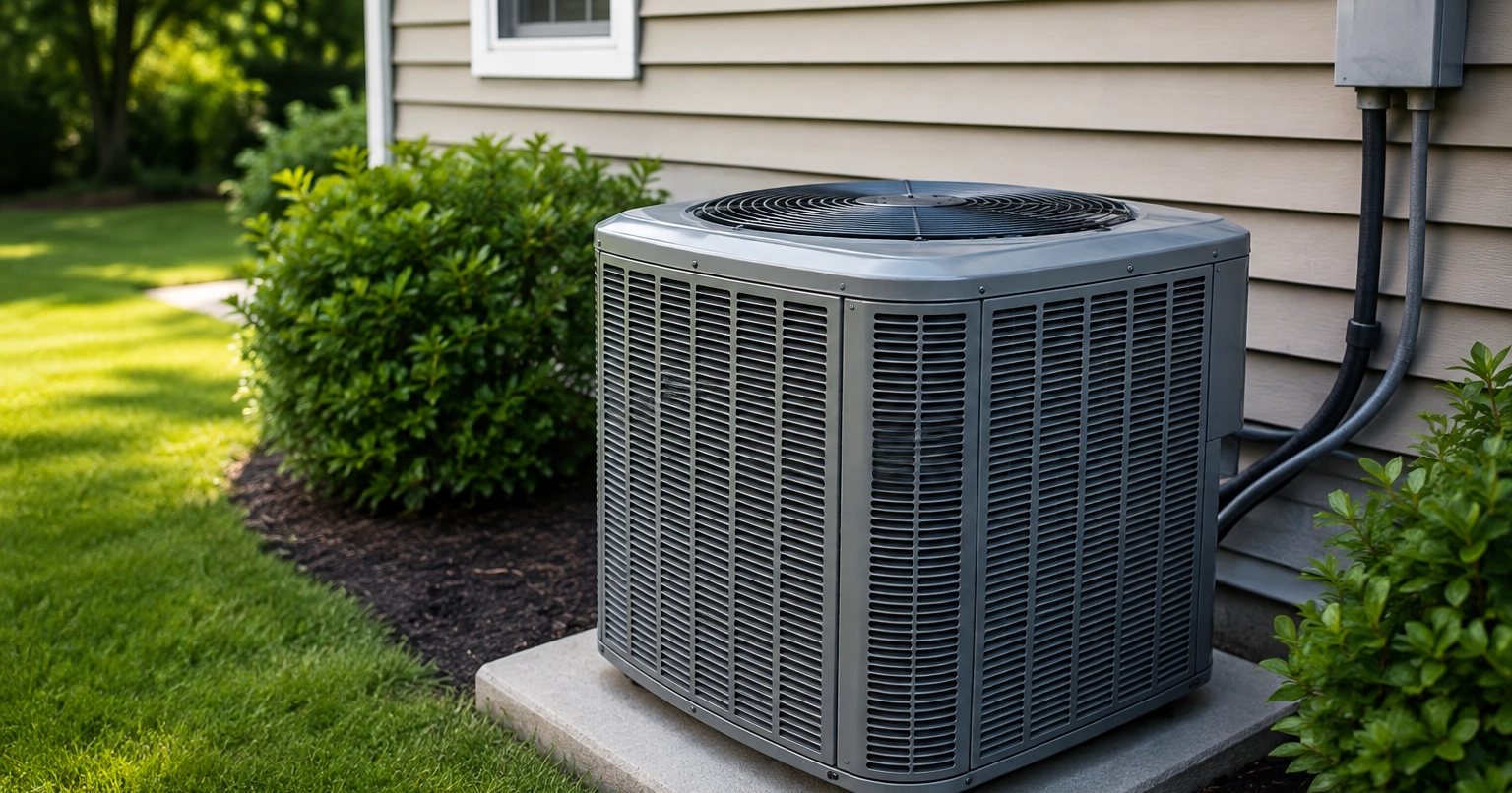
When summer temperatures soar, your air conditioning system becomes essential for comfort. But what happens when you notice that the indoor unit is running, blowing air as usual, while the outdoor unit remains completely silent? This situation can be confusing and concerning, especially if your home isn’t cooling down as expected. Understanding why this happens is important for maintaining your system’s efficiency and avoiding costly repairs. There are several reasons why the outdoor unit might not be working, ranging from simple electrical issues to more complex mechanical failures. Knowing what to look for can help you decide when to troubleshoot and when to call for professional help.
What to Expect in This Guide
How Your AC System Works
To understand why your indoor AC unit might run while the outdoor unit stays silent, it helps to know how a typical split air conditioning system operates. The indoor unit, often called the air handler or evaporator, is responsible for circulating air throughout your home and removing heat from the indoor air. The outdoor unit, known as the condenser, releases the absorbed heat outside. Both units must work together for the system to cool your home effectively. When the thermostat signals a need for cooling, it sends a message to both units to start their respective processes. If the indoor unit is running but the outdoor unit is not, the cooling cycle is incomplete, and your home will not reach the desired temperature. This disconnect can be caused by a variety of issues, including electrical problems, thermostat malfunctions, or component failures within the outdoor unit itself.
Common Electrical Issues
One of the most frequent reasons for an outdoor AC unit to remain silent while the indoor unit continues to operate is an electrical issue. The outdoor unit relies on a steady supply of power to function, and any disruption can cause it to shut down. This could be due to a tripped circuit breaker, a blown fuse, or a problem with the disconnect box located near the outdoor unit. Sometimes, the issue is as simple as a loose wire or a faulty capacitor, which is responsible for starting the compressor and fan motor. If the capacitor fails, the outdoor unit will not turn on, even though the indoor unit is still running. Homeowners may be tempted to reset breakers or replace fuses themselves, but it’s important to exercise caution, as working with electrical components can be dangerous. For those seeking professional assistance, https://www.jonesclimatecontrol.com/services/ac-repair offers reliable solutions for diagnosing and fixing these types of problems.
Thermostat and Control Board Problems
Another possible reason for the outdoor unit’s silence is a malfunctioning thermostat or control board. The thermostat acts as the command center for your air conditioning system, telling both the indoor and outdoor units when to turn on and off. If the thermostat is not sending the correct signal to the outdoor unit, it may remain off while the indoor unit continues to run. This can happen if the thermostat’s batteries are low, its wiring is damaged, or it is simply set incorrectly. In some cases, the control board inside the air handler or the outdoor unit can fail, disrupting communication between the two units. Diagnosing these issues often requires checking the thermostat settings, inspecting wiring connections, and sometimes replacing faulty components. Ensuring that your thermostat is functioning properly is a crucial step in resolving this common AC problem.
Short Paragraph: Importance of Regular Maintenance
Regular maintenance is essential for keeping your air conditioning system running smoothly. Scheduling annual inspections can help identify potential issues before they become major problems. Cleaning coils, checking refrigerant levels, and inspecting electrical connections are all part of a thorough maintenance routine. By staying proactive, you can extend the life of your system and avoid unexpected breakdowns during the hottest months.
Refrigerant and Compressor Concerns
Refrigerant issues and compressor failures are also common culprits when the outdoor unit is not operating. The compressor, located in the outdoor unit, is responsible for circulating refrigerant between the indoor and outdoor coils. If the compressor fails, the outdoor unit will not run, and the system will be unable to cool your home. Low refrigerant levels, often caused by leaks, can also prevent the outdoor unit from functioning properly. When refrigerant is low, the pressure in the system drops, which can trigger safety switches that shut down the outdoor unit to prevent damage. Detecting and repairing refrigerant leaks requires specialized tools and knowledge, as handling refrigerant is regulated for safety and environmental reasons. Compressor replacement is a significant repair that may sometimes warrant considering a new system, depending on the age and condition of your existing unit.
Environmental and Safety Factors
Sometimes, external factors can cause the outdoor unit to stop working while the indoor unit continues to run. For example, debris such as leaves, dirt, or even small animals can block the outdoor unit’s fan or damage its wiring. Overheating due to poor airflow or high outdoor temperatures can also cause the unit to shut down as a safety precaution. Many modern systems are equipped with sensors that detect unsafe operating conditions and automatically turn off the outdoor unit to prevent further damage. Ensuring that the area around your outdoor unit is clear and that the unit is free from obstructions can help prevent these issues. Additionally, extreme weather events like lightning strikes or power surges can damage electrical components, leading to a silent outdoor unit. Regularly checking the outdoor unit and keeping it clean can go a long way in maintaining reliable operation.
When to Call for Professional Help
While some issues, such as checking the thermostat settings or resetting a tripped breaker, can be handled by homeowners, many problems with the outdoor unit require professional attention. Electrical repairs, refrigerant handling, and compressor replacement are complex tasks that should be performed by trained technicians. Attempting to fix these issues without the proper knowledge and tools can lead to further damage or even personal injury. If your indoor unit is running but the outdoor unit remains silent after basic troubleshooting, it’s time to contact a qualified HVAC technician. Prompt attention to these problems can prevent more extensive damage and restore your home’s comfort quickly.
Conclusion
Understanding why your air conditioner’s indoor unit runs while the outdoor unit stays silent can help you identify potential problems and take appropriate action. Whether the issue is electrical, mechanical, or environmental, addressing it promptly is key to maintaining a comfortable home and avoiding costly repairs. Regular maintenance and timely professional assistance are essential for keeping your system in top condition. By staying informed and proactive, you can ensure that your air conditioning system operates efficiently throughout the hottest months of the year, providing reliable comfort for you and your family.