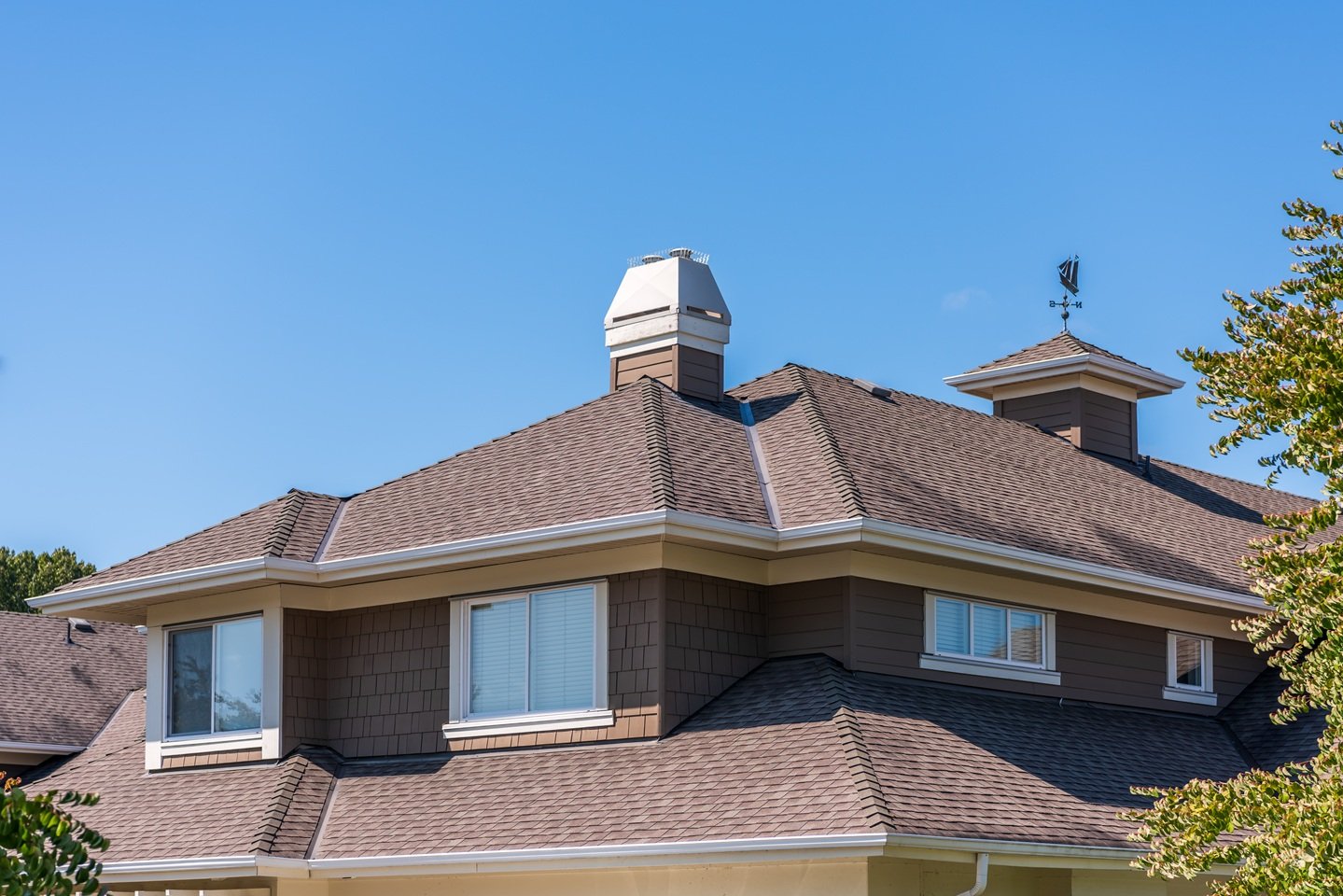
When considering the purchase of an older house, one of the most critical aspects to assess is the condition of the roof. The roof serves as the primary barrier against the elements, protecting the structure and everything inside from water damage, mold, and other costly issues. Over time, even the most durable roofing materials can deteriorate due to weather, age, and lack of maintenance. Evaluating roof wear before making a purchase can save you from unexpected repairs and expenses down the road. Understanding what to look for and how to interpret signs of wear is essential for making an informed decision.
What to Expect in a Roof Evaluation
Signs of Aging Shingles
Aging shingles are often the first visible indicator of roof wear on an older house. Shingles that are curling, cracking, or missing granules signal that the roof may be nearing the end of its useful life. These signs are not always obvious from the ground, so a closer inspection is necessary. Look for areas where the shingles appear uneven or where the edges are lifting. This can allow water to seep underneath, leading to leaks and further damage. Discoloration or dark streaks on the roof surface can also indicate algae growth or water retention, both of which can accelerate deterioration. If you notice patches where the shingles are missing or have slid out of place, this is a clear sign that the roof has experienced significant wear and may require immediate attention. Evaluating the overall uniformity and integrity of the shingles provides valuable insight into the roof’s remaining lifespan.
Flashing and Roof Penetrations
Flashing and roof penetrations are critical components that often go unnoticed during a casual inspection. Flashing is typically installed around chimneys, vents, skylights, and where the roof meets vertical walls. Its purpose is to direct water away from seams and joints, preventing leaks. Over time, flashing can corrode, crack, or become dislodged, especially in older homes where materials may have degraded. Inspecting these areas closely is essential, as compromised flashing is a common source of water intrusion. In regions like Roofing Wilmington NC, where humidity and storms are frequent, the condition of flashing and penetrations becomes even more important. Check for rust, gaps, or signs of previous repairs, as these can indicate ongoing or recurring issues. Properly maintained flashing should be securely fastened and free from visible damage. Any evidence of water stains or soft spots around roof penetrations inside the attic or on ceilings below can also point to flashing failures. Addressing these issues promptly can prevent more extensive and costly repairs in the future.
Assessing Roof Structure and Sagging
Beyond the surface materials, the structural integrity of the roof is a crucial factor to evaluate. Sagging or uneven rooflines can be a sign of underlying problems with the roof deck or supporting framework. This may result from prolonged water exposure, inadequate ventilation, or the natural settling of the house over time. When inspecting an older home, observe the roof from a distance to identify any dips or waves along the ridgeline or between rafters. Inside the attic, look for signs of moisture, rot, or mold on the wooden supports. These issues can compromise the strength of the roof and may require significant repairs or even replacement. Structural problems are often more expensive to address than surface wear, so it is important to factor these potential costs into your purchasing decision. A thorough inspection by a qualified roofing contractor can help determine the extent of any structural concerns and provide guidance on necessary remediation.
Quick Check: Gutter and Drainage Condition
Gutters and downspouts play a vital role in directing water away from the roof and foundation. In about 100 words, it’s important to check that gutters are securely attached, free of debris, and not sagging or pulling away from the house. Look for signs of rust, holes, or separation at the seams, as these can lead to water overflow and damage to the roof edge. Proper drainage ensures that water does not pool on the roof or near the foundation, reducing the risk of leaks and structural issues. Well-maintained gutters are a good indicator of overall roof care.
Evaluating Attic Ventilation and Insulation
Proper attic ventilation and insulation are often overlooked but are essential for maintaining roof health, especially in older homes. Poor ventilation can lead to heat and moisture buildup, which accelerates the aging of roofing materials and can cause mold growth or wood rot. When inspecting the attic, check for adequate airflow from soffit, ridge, or gable vents. Signs of condensation, musty odors, or visible mold suggest that ventilation may be insufficient. Insulation should be evenly distributed and dry to the touch. Wet or compressed insulation can indicate roof leaks or condensation problems. Addressing ventilation and insulation issues not only extends the life of the roof but also improves energy efficiency and indoor comfort. If you notice any deficiencies, consider the potential costs of upgrading these systems as part of your overall evaluation.
Professional Roof Inspection and Documentation
While a thorough visual inspection can reveal many signs of roof wear, a professional roof inspection provides a more comprehensive assessment. Roofing contractors use specialized tools and techniques to detect hidden damage, such as moisture intrusion, weakened decking, or compromised flashing. They can also provide documentation of the roof’s condition, which can be valuable during negotiations with the seller. A detailed inspection report outlines any necessary repairs or replacements and can help you estimate future maintenance costs. In some cases, the findings may influence your decision to proceed with the purchase or renegotiate the terms. Investing in a professional inspection is a prudent step that can prevent unexpected expenses and ensure that you are fully informed about the condition of the roof before finalizing your purchase.
Conclusion
Evaluating roof wear before buying an older house is a crucial step in protecting your investment and avoiding costly surprises. By carefully examining shingles, flashing, structural integrity, gutters, and attic conditions, you can gain a clear understanding of the roof’s current state and potential future needs. Taking the time to assess these factors, and seeking a professional inspection when necessary, allows you to make an informed decision and plan for any required repairs or upgrades. A well-maintained roof not only safeguards the home but also contributes to its long-term value and comfort. Prioritizing a thorough roof evaluation ensures peace of mind as you move forward with your home purchase.