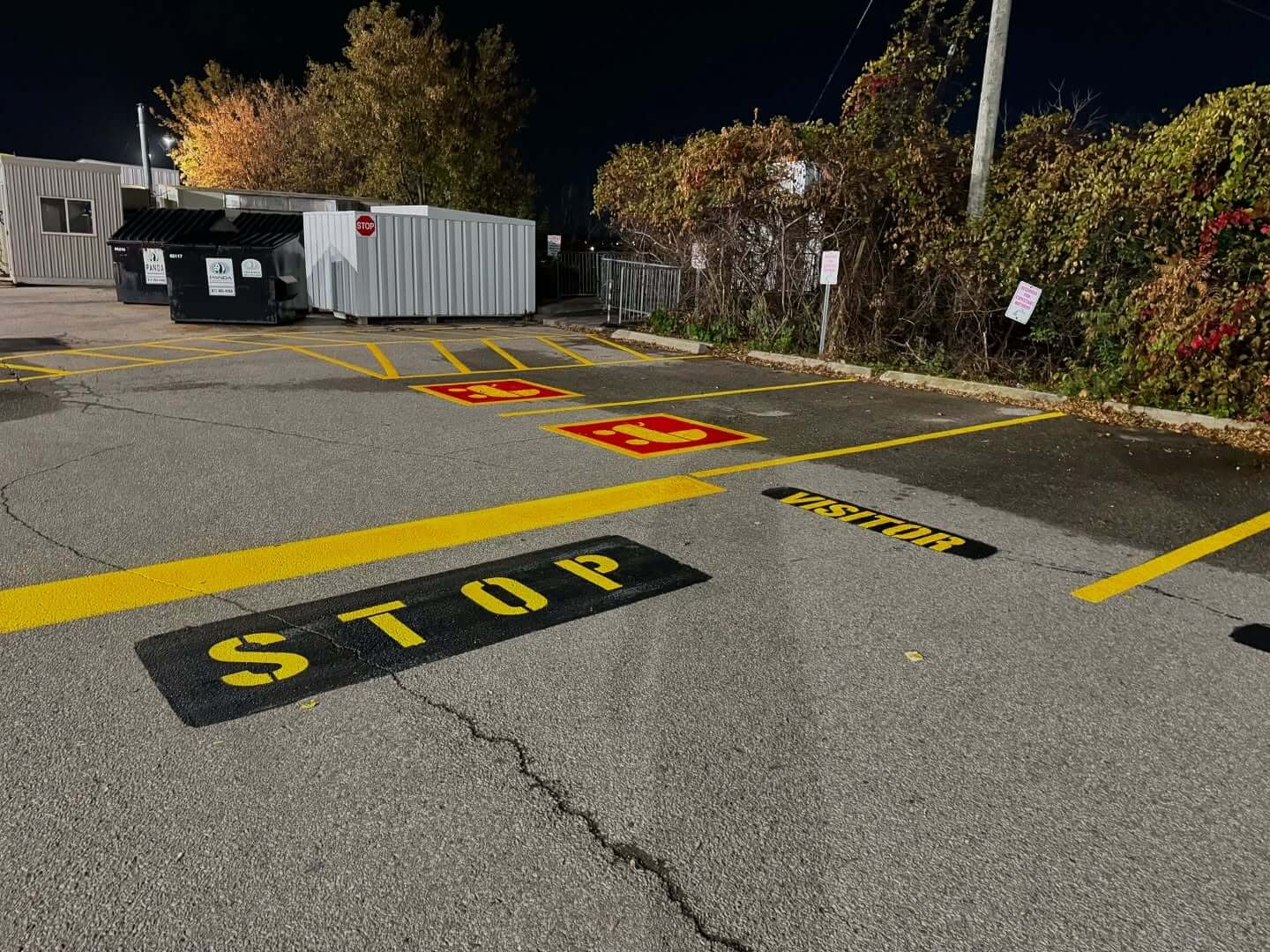
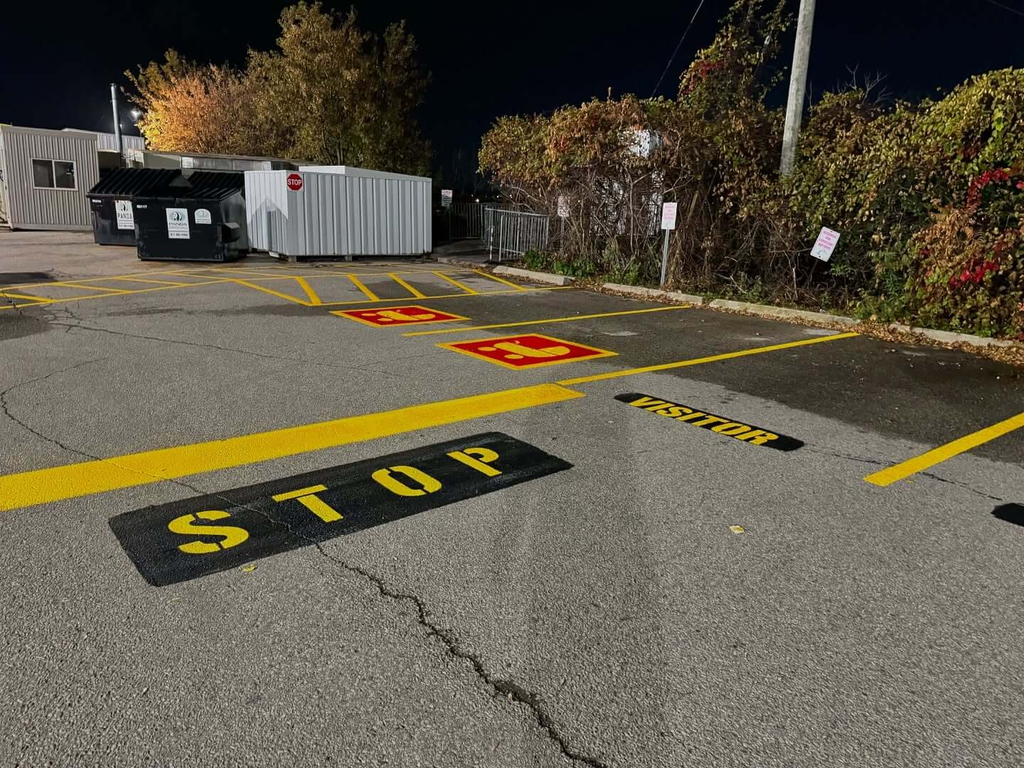
Commercial real estate managers face unique challenges when managing parking lots and outdoor fixtures across extreme seasonal shifts. Maintaining property signs line painting in Ontario demands a proactive schedule to counter heavy snowfall, freezing temperatures, intense UV exposure, and spring thaws. Faded stall markers or damaged directional signs create liability risks and confuse visitors. A well-maintained exterior safeguards pedestrians, improves traffic flow, and boosts curb appeal year-round. Understanding how local climate conditions impact your asphalt markings and aluminum directional posts allows property managers to extend asset lifespans, save budget dollars, and maintain compliance with municipal bylaws across every season.
Spring Assessment and Post-Winter Restoration
Evaluating Winter Damage
Once winter thaws, property owners must audit their outdoor spaces immediately. Snowplow blades often chip acrylic coatings, peel thermoplastic markers, and bend metal signposts. Sand, salt, and de-icing chemicals leave behind corrosive residue that dulls reflectivity and degrades paint binders.
Cleaning and Surface Preparation
Begin with high-pressure power washing to strip away accumulated salt, grime, and gravel debris. Inspect every parking stall, accessible space, and fire route line. Check post-mounted stop signs, handicap markers, and speed limit signs for rust or physical distortion. Water pooling in cracks will exacerbate asphalt damage during freeze-thaw cycles, making crack sealing a top priority before applying fresh coats.
Restoring clarity to traffic lines early in spring prevents parking chaos and sets a clean standard for the rest of the year. Investing in timely repairs during spring prevents small surface cracks from turning into costly structural asphalt repairs during summer. Clean, visible markings help drivers position their vehicles correctly, minimizing wear on surrounding grass curbs and pedestrian walkways. Timely restoration keeps your site safe and organized immediately after the winter frost melts.
Summer UV Protection and Asphalt Maintenance
Beating the Summer Sun
Summer brings strong solar radiation and elevated ambient temperatures, both of which accelerate paint fading and asphalt softening. Intense ultraviolet rays break down chemical bonds in standard traffic paints, turning bright yellow and crisp white lines into dull gray strips. Heavy commercial traffic on hot asphalt grinds dirt directly into softened markings, further degrading visual clarity.
Strategic Scheduling and Application
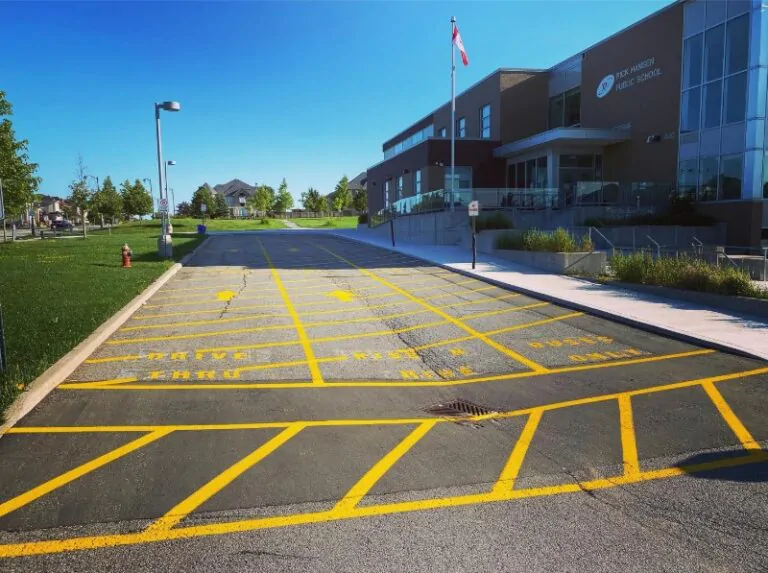
High summer temperatures require specific application techniques. Paint applied on scorching pavement dries too quickly, preventing proper adhesion to the aggregate surface. Facility managers scheduling line painting in Brampton should request low-VOC, high-solids traffic paints formulated for high-traffic, warm-weather applications. Scheduling repainting sessions during cool overnight hours or early mornings ensures even curing without interrupting daily commercial operations.
In addition, inspect property signs for UV fading or vinyl peeling. Applying anti-graffiti coatings and UV-resistant laminates over aluminum signage prevents premature color loss caused by relentless summer sunlight exposure. Taking these preventive measures protects your property assets against high heat while ensuring commercial lanes, handicap stalls, and loading zones remain bright, compliant, and clearly defined throughout the peak traffic season.
Autumn Preparation and Pre-Winter Touch-Ups
Clearing Debris and Moisture Control
Autumn acts as the final operational window to prepare outdoor surfaces before winter frost sets in. Falling leaves, damp mud, and moisture accumulate rapidly in parking bays, trapping water on top of painted surfaces. Organic debris must be swept regularly, as decaying leaves leach acids that break down acrylic paints and stain sign reflective coatings.
Final Restriping Before First Frost
Before ground temperatures dip below 10 degrees Celsius (50 degrees Fahrenheit), perform necessary restriping and sign adjustments. Paint applied below recommended temperature thresholds fails to bond correctly, leading to rapid peeling under winter snowplows. Ensuring strong line visibility is crucial for winter, when snow accumulation obscures curb edges and lane dividers.
If plows push snow over faded lines, drivers will park haphazardly, reducing overall lot capacity and blocking emergency routes. Upgrading to high-durability alkyd or waterborne epoxy markings during autumn provides maximum resistance against heavy winter scraping. Completing comprehensive property signs line painting in Ontario during fall safeguards your facility against hazardous winter conditions, protecting both visitors and vehicular traffic.
Winter Mitigation and Snowplow Management
Protecting Signage from Mechanical Damage
Ontario winters present severe physical threats to parking lots and outdoor signage. Heavy snowfalls require frequent plowing, salting, and heavy machinery operation, all of which directly impact asphalt markings and signposts. Snowplow blades set too low can scrape off fresh paint, shear off flexible markers, and knock down steel posts anchored near curb edges.
Safe Salting and Snow Removal Practices
To prevent severe mechanical damage, property managers must coordinate closely with winter maintenance contractors. Establish clear snow-piling zones away from critical directional signage and fire hydrants. Utilize rubber-edged plow blades where possible to reduce direct friction against painted lines.
When planning winter operations for commercial plazas requiring line painting in Brampton, install tall, flexible snow stakes around sign bases and curb boundaries to guide plow drivers in zero-visibility conditions. Choose less aggressive, eco-friendly chemical de-icers over raw rock salt to minimize paint breakdown and metal post corrosion. Taking these strategic winter steps minimizes seasonal wear, preserves structural line integrity, and prevents expensive replacement costs when spring arrives.
Choosing Durable Materials and Expert Service
Selecting High-Performance Paint and Signage
Selecting the correct commercial-grade materials directly impacts how long your outdoor markings last through shifting seasonal conditions. Standard retail paints lack the binder strength necessary to withstand vehicle tire abrasion and freeze-thaw cycles. Commercial contractors utilize high-build traffic paints, durable thermoplastics, or glass-bead embedded markings that reflect headlight beams during night conditions.
Working with Qualified Local Contractors
For sign durability, opt for heavy-gauge aluminum substrates finished with high-intensity prismatic reflective sheeting that meets local highway safety standards. Partnering with professional contractors who specialize in commercial layout design, municipal fire code compliance, and line painting in Brampton guarantees precise application and long-lasting results.
Expert installers understand proper surface preparation, ambient humidity limits, and surface moisture levels necessary for optimal adhesion. Maintaining professional property signs line painting in Ontario with top-tier materials reduces long-term maintenance overhead, preserves curb appeal, and reduces liability risks associated with faded, confusing parking structures. Investing in professional execution yields clear traffic direction, safety compliance, and peace of mind year after year.
Conclusion
Managing outdoor commercial assets across seasonal extremes requires consistent vigilance, smart material choices, and proactive scheduling. From spring power washing and summer UV protection to autumn touch-ups and winter snowplow management, each season demands specific actions to maintain clear, durable asphalt markings and readable signage. Prioritizing these steps keeps your commercial property safe, compliant, and visually appealing to customers and tenants alike. Partnering with experienced local specialists who understand regional weather patterns ensures your parking lots stand up against freeze-thaw cycles and heavy traffic. Plan your seasonal maintenance schedule today to protect your property investment and ensure seamless traffic flow year-round.