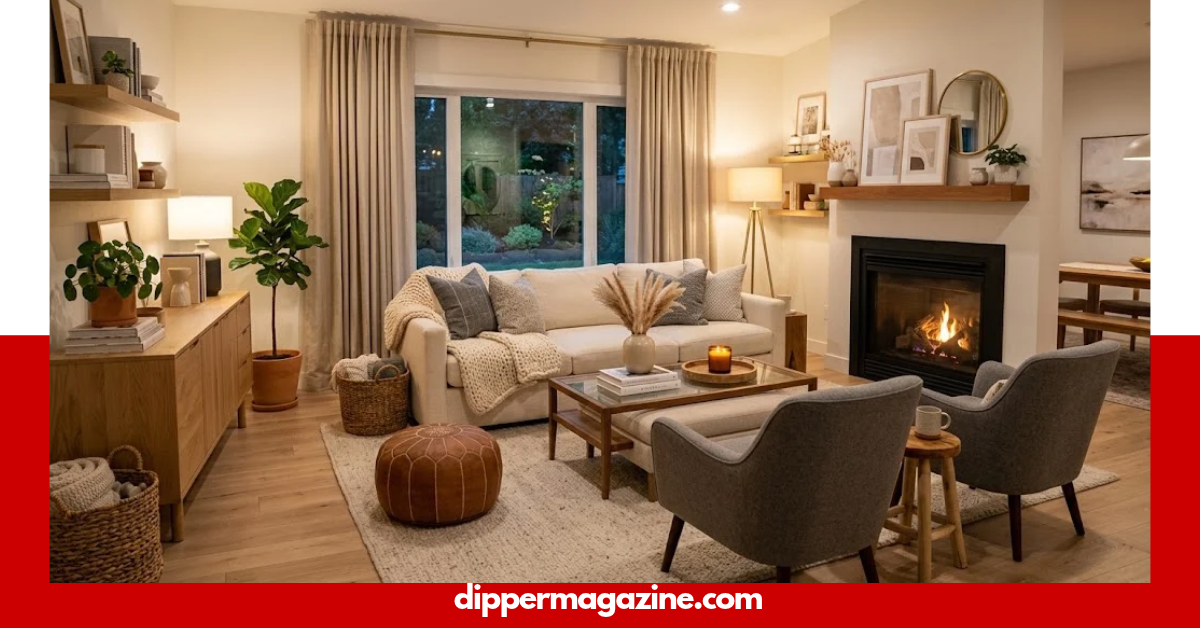
Your home should feel comfortable, welcoming, and personal, but an outdated room, poor lighting, or cluttered furniture can make it feel less inviting. A complete renovation may seem expensive, especially when you also need to manage everyday household costs. The good news is that decoradhouse upgrade tips by decoratoradvice can serve as a starting point for planning affordable improvements, choosing better colors, organizing rooms, and creating a fresh look without replacing everything you own.
What Are DecoradHouse Upgrade Tips by DecoratorAdvice?
DecoradHouse upgrade tips by DecoratorAdvice refers to a home-decor search phrase associated with practical ideas for improving a living space. Readers looking for this topic may want guidance on interior styling, furniture placement, lighting, storage, color combinations, and affordable room makeovers.
Rather than treating every suggestion as a rule, use decoradhouse upgrade tips by decoratoradvice as a planning framework. Choose ideas that match your room size, daily routine, budget, and personal taste.
For example, a small bedroom may benefit from better storage and lighter bedding, while a living room may need improved lighting, a more suitable rug, or a clearer furniture arrangement. The best upgrade solves a real problem instead of adding another decorative object.
Why Should You Upgrade Your Home Without a Major Renovation?
Home improvements can become costly when you replace furniture, change flooring, repaint every wall, and buy new accessories at the same time. These changes are not always necessary to make a room look better.
A planned makeover helps you spend money where it creates the greatest difference.
Consider these common problems:
- A dull room: Improve lighting, clean windows, and introduce a balanced color scheme.
- A cramped room: Remove unnecessary furniture and use vertical storage.
- An outdated appearance: Replace worn cushion covers, update curtains, or change small hardware.
- A messy living area: Add storage baskets, organize cables, and give everyday items a permanent place.
- An uncomfortable bedroom: Improve bedding, reduce clutter, and create a softer lighting arrangement.
Start with the problem that bothers you most. This keeps your project focused and prevents unnecessary purchases.
How Can You Plan a Home Upgrade on a Budget?
A successful makeover starts with a plan, not a shopping trip. Before buying anything, walk through the room and list the changes that would make daily life easier.
Use these steps:
- Inspect the room. Identify damaged items, poor lighting, unused furniture, and storage problems.
- Set a spending limit. Decide how much you can comfortably spend without affecting essential expenses.
- Measure the space. Record wall lengths, window widths, furniture dimensions, and available walking space.
- Choose three priorities. Focus on the changes that will have the biggest visual or practical impact.
- Reuse what you own. Rearrange furniture, repurpose containers, or move suitable accessories from another room.
- Buy only what is missing. Compare sizes, materials, cleaning needs, and prices before making a purchase.
- Review the result. Complete one stage before deciding whether you need additional changes.
These decoradhouse upgrade tips by decoratoradvice help you approach decorating as a series of manageable decisions rather than one expensive project.
Which Home Decor Upgrades Make the Biggest Difference?
Not every upgrade needs the same budget. Some changes cost nothing, while others require a small investment or professional help.
The following table compares common improvements. The cost levels are illustrative and vary by location, material quality, room size, and labor charges.
| Upgrade | Main benefit | Relative cost | Difficulty | Best for |
| Decluttering | Creates a cleaner appearance | Free | Easy | Every room |
| Rearranging furniture | Improves flow and usable space | Free | Easy to moderate | Living rooms and bedrooms |
| Changing cushion covers | Adds color and texture | Low | Easy | Sofas and beds |
| Updating curtains | Changes light control and visual balance | Low to medium | Easy to moderate | Bedrooms and living rooms |
| Repainting a wall | Refreshes the room’s appearance | Low to medium | Moderate | Dull or dated spaces |
| Replacing light bulbs with suitable LEDs | Improves lighting efficiency | Low to medium | Easy to moderate | Most rooms |
| Adding shelves | Increases storage | Low to medium | Moderate | Small homes and work areas |
| Updating cabinet handles | Refreshes furniture details | Low | Easy | Kitchens and wardrobes |
| Replacing a worn rug | Defines a seating or sleeping area | Medium | Easy | Living rooms and bedrooms |
| Renovating a bathroom | Improves function and appearance | High | Professional help often needed | Damaged or outdated bathrooms |
Best starting point: Choose a free improvement first, such as decluttering or rearranging furniture. You can then decide whether the room still needs a paid upgrade.
How Can You Choose the Right Colors for Your Home?
Color affects the mood and visual balance of a room. The right combination can make your interior feel calm, lively, warm, or fresh.
Begin with a simple three-part color scheme:
- Main color: Use this for the largest surfaces, such as walls or major furniture.
- Supporting color: Introduce it through curtains, bedding, upholstery, or a rug.
- Accent color: Add smaller touches through cushions, artwork, vases, or lamps.
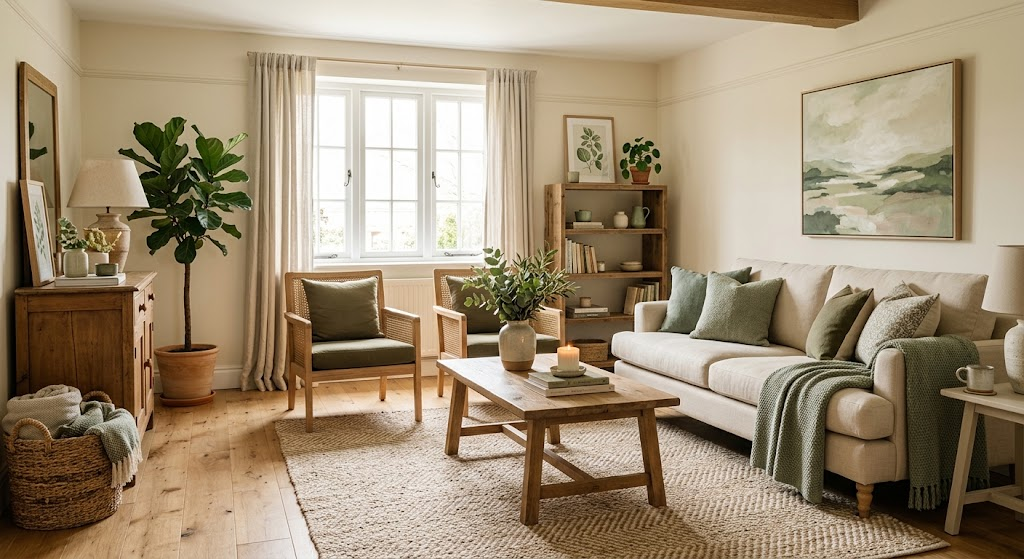
For example, cream walls, natural wood, and muted green accessories can create a relaxed look. Soft gray, white, and navy can feel more structured, while beige, terracotta, and warm brown can produce a cozy atmosphere.
Before painting, test a small patch of the chosen color. Observe it in morning daylight and evening artificial light because the same paint can look different under different conditions.
Avoid choosing every item separately without considering the whole room. A consistent palette makes even inexpensive furniture and accessories look more coordinated.
What Lighting Upgrades Can Make a Room Feel Better?
Lighting affects how people use a room and how its colors appear. One bright ceiling light may be enough for basic visibility, but it often creates a flat atmosphere.
A more flexible arrangement uses three types of lighting.
Ambient lighting provides general illumination. Ceiling lights and well-positioned fixtures commonly serve this purpose.
Task lighting helps with specific activities. Desk lamps, reading lights, and suitable kitchen work lights make detailed tasks easier.
Accent lighting draws attention to artwork, shelves, architectural details, or decorative objects.
Choose bulbs based on the activity and desired mood. Warm-white light often suits relaxing spaces, while neutral or cooler light may work well for focused tasks. Check the bulb packaging for brightness, color temperature, and energy use rather than relying on wattage alone.
Energy-efficient LED bulbs are worth considering when replacing compatible older bulbs. Always follow fixture instructions, and use a qualified electrician for new wiring or unsafe electrical work.
How Can You Make a Small Room Look Bigger?
Small rooms need thoughtful furniture placement and careful control of visual clutter. Buying smaller decorative items will not solve the problem if the room’s main layout is inefficient.
Try these practical ideas:
- Keep clear walking paths between doors, seating, and storage.
- Use furniture that fits the room instead of oversized pieces.
- Choose curtains that allow adequate daylight into the space.
- Use mirrors to reflect light and create a greater sense of depth.
- Store seasonal items and rarely used belongings elsewhere.
- Use shelves or tall cabinets to make better use of vertical space.
- Choose a few larger, well-placed decorations instead of filling every surface with small objects.
- Keep frequently used items accessible and store occasional items out of sight.
For a compact bedroom, consider under-bed storage and bedside furniture with drawers. In a small living room, a compact sofa and a carefully sized rug may work better than several bulky chairs.
These decoradhouse upgrade tips by decoratoradvice focus on making existing space more useful before spending money on additional furniture.
How Can You Refresh Your Living Room Without Replacing Furniture?
The living room often serves several purposes, including relaxing, entertaining guests, watching television, and spending time with family. Its arrangement should support these activities without making the room feel crowded.
Start by identifying the room’s main focal point. It might be a window, a television, a fireplace, or a favorite piece of artwork.
Next, arrange seating so people can communicate comfortably. Avoid placing every piece of furniture against a wall automatically; sometimes a slightly different arrangement creates a more welcoming conversation area.
Make small changes in stages:
- Remove unnecessary objects from tables and shelves.
- Group cushions using two or three complementary colors.
- Position a rug to visually connect the main seating pieces.
- Add a floor lamp or table lamp where extra light is useful.
- Display a few meaningful photographs, books, or decorative pieces.
- Keep cables and remote controls organized.
Do not buy a rug based on appearance alone. Measure the seating area first so the rug relates properly to the furniture rather than looking like a small island in the center of the room.
What Are the Best Affordable Bedroom Upgrade Ideas?
A bedroom should support rest, comfort, and easy daily routines. You can improve its appearance without buying a new bed, wardrobe, or dressing table.
Start with the bed because it usually occupies a large part of the room. Clean bedding, coordinated pillowcases, and a neatly arranged blanket can make the space feel more finished.
Other affordable ideas include:
- Replace damaged or mismatched cushion covers.
- Use a bedside lamp for comfortable evening lighting.
- Keep the dressing table clear of unused products.
- Add hooks for bags, scarves, or frequently worn clothing.
- Use drawer organizers for small accessories.
- Choose curtains that suit your privacy and light-control needs.
- Keep laundry in a designated basket instead of on a chair.
- Display one or two personal items that make the room feel special.
Storage should fit your actual habits. An organizer is useful only when it makes items easier to find and put away.
When choosing bedding, consider fabric feel, washing requirements, local climate, and durability. Attractive bedding that is difficult to maintain may not be the best long-term choice.
How Can You Improve Your Kitchen With Simple Changes?
A kitchen upgrade should improve cleanliness, storage, and ease of use. Expensive cabinets are not always necessary when the main problem is poor organization.
Begin by clearing the counters of appliances and containers you rarely use. Keep frequently used cooking tools near the areas where you prepare food, and store heavier items where they can be reached safely.
Useful changes include:
- Group spices and dry ingredients in clearly labeled containers.
- Use drawer dividers for utensils.
- Organize cleaning supplies away from food.
- Replace broken or worn cabinet handles.
- Improve lighting over preparation surfaces.
- Clean grease from cabinet fronts using a suitable cleaner.
- Repair leaking taps and damaged seals promptly.
- Keep walkways and cooking areas free from clutter.
Before buying storage containers, measure your shelves and drawers. Standardized container sizes can help use the available space more efficiently.
Never cover ventilation openings or place flammable decorations close to cooking flames. Any changes involving gas connections, electrical circuits, or major plumbing should be handled by qualified professionals.
Which Bathroom Upgrades Are Worth the Money?
Bathrooms can feel cleaner and more comfortable through small improvements, especially when the existing fixtures still work properly.
Start by removing empty bottles and organizing everyday toiletries. Replace worn towels, clean mirrors, and address visible water stains or soap buildup using products suitable for the surface.
Consider these upgrades:
- Install a practical towel hook or rack.
- Add a non-slip bath mat suitable for wet conditions.
- Replace a damaged shower curtain.
- Improve lighting around the mirror.
- Repair dripping taps or faulty flush mechanisms.
- Replace worn sealant when appropriate.
- Use moisture-resistant storage where needed.
Moisture management matters as much as appearance. Use an existing exhaust fan when available and ventilate the room appropriately after bathing. The US Environmental Protection Agency explains that adequate ventilation can help control moisture, odors, and indoor pollutants.
Do not paint over active leaks or mold without addressing the moisture source. Significant mold growth, persistent dampness, or electrical problems near water may require professional attention.
How Can You Add Storage Without Making Your Home Look Cluttered?
Good storage makes a room easier to maintain. The goal is not to hide everything but to give possessions a sensible place.
Use a simple system based on how often you need each item:
- Daily items: Keep them within easy reach.
- Weekly items: Store them in accessible drawers or cupboards.
- Occasional items: Use higher shelves or labeled containers.
- Seasonal belongings: Store them in suitable protected areas.
Choose storage that matches the room. Baskets can hold blankets, drawer dividers can separate small items, and wall shelves can display books while freeing up floor space.
Do not buy organizers before sorting your belongings. First remove items you no longer need, then measure the remaining storage space.
A useful rule is to leave some empty space on shelves and countertops. When every surface is full, even attractive objects can make the home feel busy.
How Can You Use Textures and Accessories to Improve Interior Design?
Color establishes the visual theme, while texture adds depth and interest. Combining a few different materials can make a room feel more complete without requiring expensive decorations.
For example, a living room might combine a cotton sofa cover, a woven rug, wooden furniture, and ceramic accessories. A bedroom might use soft bedding, a textured blanket, and simple curtains.
Try these ideas:
- Combine smooth and textured fabrics.
- Use wood or natural-looking materials to add warmth.
- Display artwork that relates to the room’s color palette.
- Add plants only where the available light and care requirements suit them.
- Choose accessories with a purpose or personal meaning.
- Repeat one accent color in two or three places for visual connection.
Avoid mixing too many competing patterns, finishes, and colors at once. If a patterned rug is already a strong feature, simpler cushions and curtains may create a more balanced result.
When purchasing textiles or decorative finishes, check cleaning instructions and durability. Homes with children or pets often benefit from washable fabrics and easy-to-clean surfaces.
What DIY Home Improvements Are Safe for Beginners?
DIY projects can reduce labor costs and give you more control over the final result. However, the best beginner projects are those that require basic tools and involve limited risk.
Suitable starting projects include:
- Reorganizing shelves and drawers.
- Changing cushion covers.
- Creating a simple gallery wall using suitable fixings.
- Painting a small wall after preparing the surface.
- Applying removable decorative film to compatible surfaces.
- Replacing cabinet handles with compatible hardware.
- Assembling freestanding storage furniture according to instructions.
Prepare the area before starting. Protect floors, use appropriate tools, measure twice before drilling, and follow the product manufacturer’s instructions.
Avoid DIY electrical wiring, gas repairs, structural alterations, and work involving hazardous materials unless you have the required qualifications and safety equipment. Renters should also obtain permission before making permanent changes.
For paint, adhesives, and cleaning products, follow ventilation and handling instructions. If you are unsure whether a surface can tolerate a product, test a small inconspicuous area first.
How Can You Make Home Upgrades More Energy Efficient?
A comfortable home should also be practical to operate. Energy-conscious improvements can help reduce unnecessary consumption, although the savings depend on local energy prices, existing equipment, household habits, and the cost of installation.
Start with simple actions:
- Switch off lights in unoccupied rooms when appropriate.
- Replace inefficient bulbs with compatible LED alternatives.
- Use daylight where practical.
- Maintain air-conditioning filters according to manufacturer instructions.
- Seal suitable gaps around doors and windows where drafts occur.
- Use curtains or blinds to help manage sunlight and heat.
- Check appliances for energy labels and operating costs before replacing them.
Do not assume that every upgrade will pay for itself quickly. Compare purchase and installation costs with expected energy savings before making a large investment.
For homes in hot climates, shading, sensible curtain choices, and correctly maintained cooling equipment may be particularly useful. Any insulation, sealing, or ventilation changes should preserve adequate fresh-air supply and account for local climate conditions.
How Can You Choose a Home Decor Style That Lasts?
Interior design trends change frequently, but replacing furniture every time a trend changes can waste money. A more practical approach is to choose a stable foundation and update smaller details when your preferences evolve.
Popular styles include:
- Minimalist: Simple shapes, fewer objects, and clear surfaces.
- Modern: Clean lines, functional furniture, and balanced finishes.
- Scandinavian-inspired: Light colors, practical layouts, and natural materials.
- Traditional: Classic furniture shapes, decorative details, and familiar patterns.
- Bohemian-inspired: Layered textiles, collected accessories, and varied materials.
- Contemporary: Current shapes, finishes, and combinations of materials.
You do not have to follow one style perfectly. Select elements that suit your home and combine them carefully.
Before buying furniture, consider whether it will still work if you change the wall color, move to a different room, or update your accessories. Neutral larger pieces often allow more flexibility, while cushions and artwork can introduce stronger colors.
The best decoradhouse upgrade tips by decoratoradvice are the ones that help you create a home that fits your lifestyle rather than a room that simply follows a trend.
What Is a Practical Home Upgrade Budget?
A budget should reflect your priorities, not a fixed amount suggested for every household. A renter refreshing one bedroom will have different costs from a homeowner repairing a kitchen.
Use the following sample budget allocation as a planning tool rather than a price estimate.
| Budget category | Suggested share | Examples |
| Essential repairs | 30% | Leaks, damaged hardware, unsafe fixtures |
| Lighting improvements | 15% | Compatible LED bulbs, task lighting |
| Paint and surface refresh | 15% | Paint, preparation supplies |
| Storage and organization | 15% | Dividers, baskets, shelves |
| Textiles and accessories | 15% | Curtains, cushion covers, bedding |
| Contingency | 10% | Unexpected materials or additional costs |
| Total | 100% |
These percentages are illustrative. If your home has an urgent leak or electrical problem, prioritize that repair and reduce decorative spending.
Keep a record of planned costs, actual purchases, and unfinished tasks. Include tools, delivery, installation, and waste removal where relevant. A simple budget helps you see whether a project remains affordable before you commit to the next stage.
What Common Decorating Mistakes Should You Avoid?
Even well-intentioned upgrades can create problems when they do not suit the room or household.
Avoid these common mistakes:
Buying furniture before measuring. A sofa may look attractive in a store but block a doorway or walking path at home.
Using too many colors. Several unrelated colors can make a room feel visually unsettled. Choose a small palette and repeat it thoughtfully.
Ignoring lighting. A beautifully decorated room may still feel uncomfortable if task areas are too dark or the lighting is harsh.
Following every trend. Trend-driven purchases can become expensive when your taste changes. Prioritize comfort, durability, and function.
Decorating before repairing. New paint and accessories cannot solve leaking pipes, damaged wiring, or persistent moisture.
Overfilling shelves. Too many ornaments can create clutter and make cleaning harder.
Choosing appearance over maintenance. Delicate fabrics and difficult-to-clean finishes may not suit every household.
Forgetting safety. Secure heavy furniture where needed, keep exits clear, and use suitable fixtures and materials.
A good makeover balances appearance, comfort, maintenance, and safety.
A Simple Seven-Day Home Makeover Plan
If you feel overwhelmed by the number of possible changes, divide the work into smaller daily tasks. This example can be adapted to one room or spread across several weekends.
| Day | Main task | Action |
| Day 1 | Assess | Photograph the room and list its main problems |
| Day 2 | Declutter | Sort unwanted items and clear surfaces |
| Day 3 | Rearrange | Test furniture layouts and improve walking paths |
| Day 4 | Clean and repair | Address routine cleaning and minor safe repairs |
| Day 5 | Lighting | Check bulbs, lamps, and natural light |
| Day 6 | Style | Reuse textiles, artwork, and accessories |
| Day 7 | Review | Check the result and list any remaining needs |
You do not need to finish everything in one week. The purpose is to make steady progress and avoid rushed purchases.
Take before-and-after photographs from similar angles. They can help you assess whether the layout, lighting, and storage changes actually improved the room.
How Can You Make These Decorating Tips Work for Your Home?
The most useful decoradhouse upgrade tips by decoratoradvice are those you can adapt to your available space, spending limit, and everyday needs.
Before starting any project, ask yourself three questions:
- What specific problem am I trying to solve?
- Can I solve it by cleaning, rearranging, repairing, or reusing something?
- If I need to buy something, will it improve comfort, function, durability, or appearance enough to justify the cost?
These questions help separate useful upgrades from impulse purchases.
A small, well-planned improvement can be more satisfying than a costly makeover that ignores how the room is actually used. Focus on the changes that make daily life easier, then build on them when your time and budget allow.
Frequently Asked Questions
DecoradHouse upgrade tips by DecoratorAdvice is a search phrase for home-improvement and interior-decorating ideas. It can guide readers toward affordable room refreshes, better furniture layouts, practical storage, lighting improvements, and coordinated color schemes.
Start by decluttering, rearranging furniture, cleaning surfaces, and reusing existing accessories. Spend money only on improvements that address a clear need, such as better lighting, useful storage, or worn textiles.
Choose the room that causes the most daily inconvenience or that you use most often. A bedroom may benefit from better organization, while a living room may need improved seating, lighting, or walking space.
Keep walkways clear, use appropriately sized furniture, make good use of daylight, and organize belongings vertically where practical. Mirrors can help reflect light, but they work best when placed thoughtfully.
DIY upgrades can save labor costs when the work is suitable for your skills. Begin with low-risk projects such as painting, organizing, or changing compatible cabinet handles, and hire qualified professionals for electrical, gas, structural, or other hazardous work.
Yes. Compatible LED lighting, sensible use of daylight, properly maintained cooling equipment, and suitable draft reduction can help limit wasted energy. Actual savings depend on your home, climate, energy prices, and the cost of the improvements.
Conclusion
A comfortable home does not require expensive furniture or a complete renovation. Thoughtful colors, useful storage, suitable lighting, careful furniture placement, and timely repairs can make a noticeable difference while keeping spending under control.
Use decoradhouse upgrade tips by decoratoradvice as a starting point, then select the ideas that genuinely suit your rooms and routines. Measure before buying, compare costs, prioritize safety, and complete one improvement before moving to the next.